Green Tips

New Series: Notes from the Garden with Kate
 Hello, one and all! My name is Kate Jerome and, along with Venny Zachritz, I am taking an active role in managing the landscape of the UUA campus. I’m so excited to share with everyone our plans to turn our already beautiful landscape into a sustainably managed one.
Trash For Now
Microwave containers are NOT recyclable in Asheville. The material, #5 polypropylene, requires high heat for reprocessing.
Bee Vigilant!
Read labels of products you use in your landscape. Avoid products containing neonics. These are chemicals that are lethal to bees. FMI: BeeAction.org.
Go Native
Replace turf grass with native species of grass. Native lawns use fewer resources and improve the habitat for wildlife. Check with local garden centers and native nurseries for information on native grass species.
Backyard Composting Tips
Watch an instructional and entertaining video from Asheville Greenworks.
Reel Mowers Are Better for Your Lawn
Reel mowers leave a sharp snip off the grass blades while the engine-powered mowers tear tops off the blades and weaken the grass over time.
Pick-up After Fido
Pet waste (cat & dog) is bacteria -laden. Scoop it up to keep it out of the storm drains.
Drive Thrus Are a No-No
Avoid using “drive-thrus.” Help keep those unhealthy emissions created by car idling out of the atmosphere.
Get A Grip
Get a good grip on the gas cap. After fueling your car, tighten the gas cap well to prevent evaporation of gas. If the cap is not on tightly, you could lose as much as 30 gallons/year!

Connect with us on Facebook

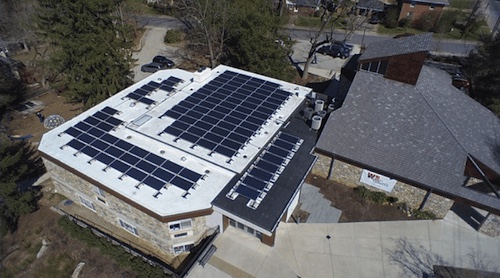
We are solar powered