
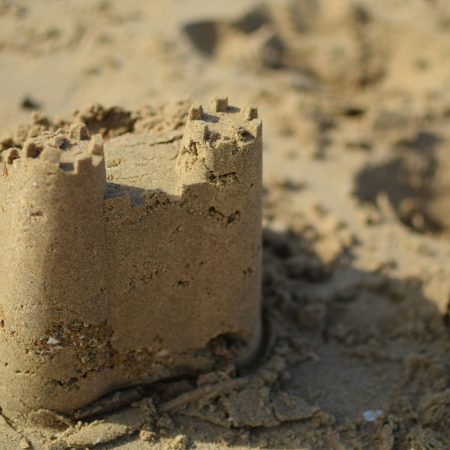
 There’s a pithy saying that I heard a lot growing up: “If you want to make God laugh, make plans.” It’s supposed to be a silly little proverb but it has started to take on an unkind edge in the past five years. Last September, my wife and I were in the process of buying a house, planning to make space for my parents to visit in early October. But then there was Helene, the house we were going to buy flooded, and we needed to focus on taking care of our neighbors. Prior to that, we had been planning to eventually move to Asheville in 2021, after I graduated from seminary. But then there was Covid and we needed to make an emergency move to Asheville to take care of family through the pandemic. In between there were elections and cancer diagnosis, and a thousand other crisis. And it makes me, a theist and a reluctant Christian, wonder about that glib little saying. I know that a loving God would never laugh at these tragedies, but does this saying actually speak to a deeper condition that I am feeling? There are times when it feels like the universe is out there ready to squash my plans as I make them, like a foot through a sand castle. As I look to this next October, I don’t want to take any trips and be away from those I love in case there’s another hurricane. Simultaneously, I want to get out of Dodge before Helene’s sister visits us. Maybe you are in the same boat where one crisis after another has started to wear down your ability to dream. And these are examples of recent collective tragedies, but any moment like this in a person’s life where they have to pause or cancel major life plans to address urgent needs can cause a similar effect. Psychologists would label this “anticipatory anxiety” but it feels much deeper than that. It’s most certainly related to PTSD and the effects of trauma, but the language used in trauma recovery doesn’t touch on this particular phenomenon, as far as I know. Francis Weller describes one of the Gates of Grief as “Grief for what we expected but did not receive,” so it’s probably grief too. I would label it an injury to our ability to hope. While knowing it and labeling it may be half the battle, there is still a question of how to heal this particular injury. My “hope” is that it is like physical therapy. We work on the movements we want to do, but just smaller, more carefully. My “hope” is that it is as simple as making little plans here and there, and seeing them to fruition through the power of our own will and joy. My “hope” is that God is seeing our dreams deferred and not laughing but doing the same work alongside us, always hoping for the best of what is possible. That’s my plan for my healing, at least for now.
Trevor Johnson
Connection Coordinator